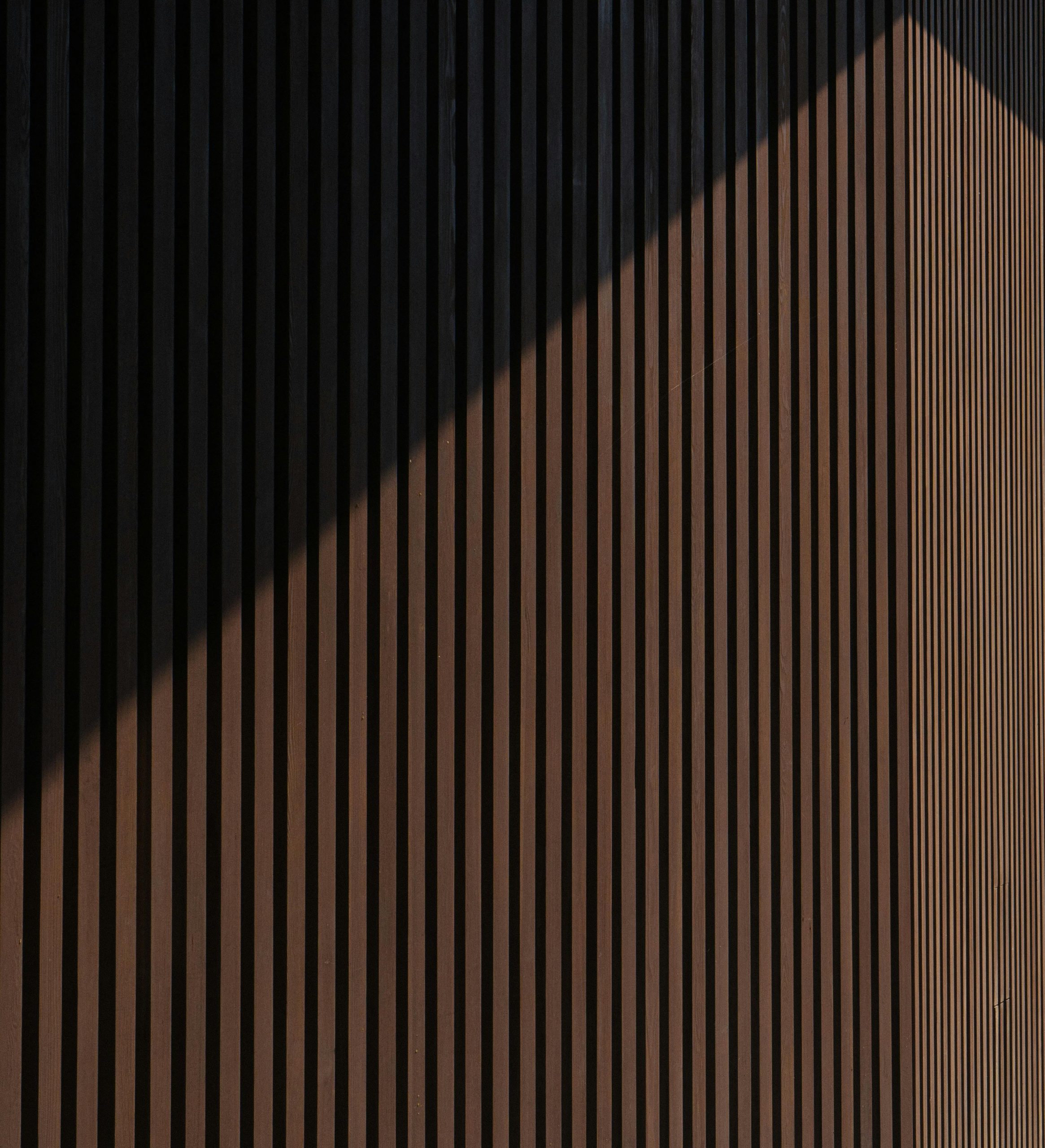
When you are planning a slat wall, it is easy to focus on material choice and height, but the spacing between the slats matters just as much. It affects the overall look, the number of slats you need, and how much light or air passes through the wall.
In this article, we look at what is considered typical spacing, what you should think about, and how to choose the right setup for your project.
What is considered standard spacing?
The most common spacing between slats usually falls between:
10 mm and 30 mm
There is no single correct answer, though. The spacing depends on the style and function you want, whether you prefer a tighter expression, more openness, or some level of screening.
What happens when you change the spacing?
Narrow spacing (10-15 mm)
- tight, premium look
- more visual weight
- more material and more slats
Best for living rooms, bedrooms, and TV walls when you want a calm, cohesive expression.
Medium spacing (15-25 mm)
- balanced expression
- a good mix of structure and openness
- often the most versatile option
Best for most rooms and uses, whether the wall is decorative or functional.
Wide spacing (25-30 mm or more)
- lighter, airier look
- fewer slats and lower material cost
- more light and more visibility through the wall
Best for room dividers, facade-style details, or spaces where you want more openness between the slats.
What should guide your choice?
- The style you want: tight and architectural, or open and light?
- How the wall will be used: screening, dividing space, or purely decorative?
- Budget: tighter spacing means more slats to buy
- Background: a black background creates more contrast when the spacing is open
How should spacing be included in the calculation?
When you plan the spacing, you need to account for both slat width and the gap between the slats. Together, those dimensions determine the total number of slats you need.
Use our slat wall calculator to test different combinations and see what works best for your project.
Conclusion
The spacing between slats has a major effect on both the look and the material requirement of a slat wall. A common range is 10 to 30 mm, but the best choice depends on what you want to achieve visually and functionally.
Run a quick test in our slat wall calculator to find a setup that feels right.