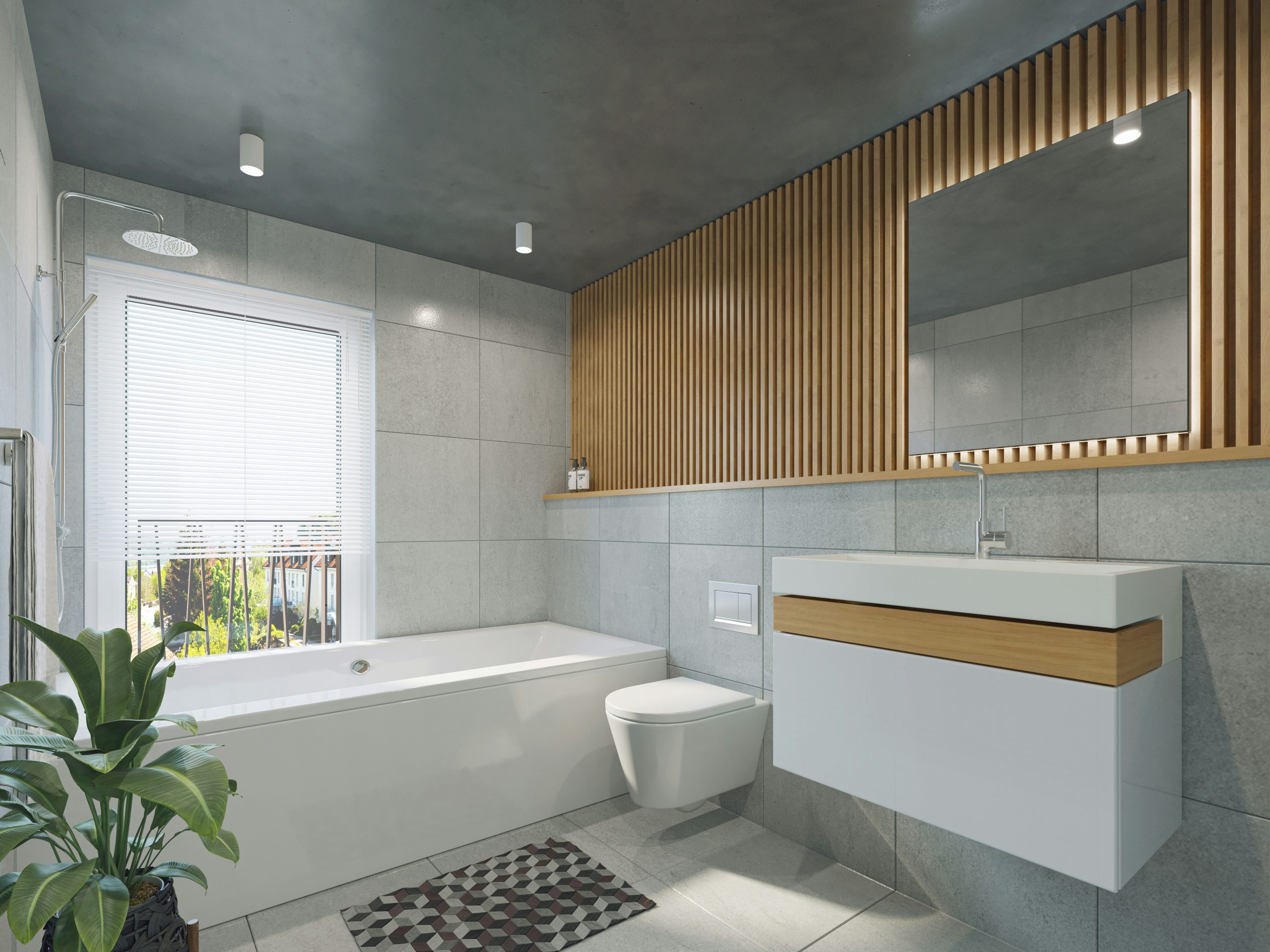
A slat wall in a bathroom can create a spa-like feel and a more elevated look, which is exactly why more people are drawn to the idea. But can you really use wood in a room with high humidity? The short answer is yes, with the right material and careful planning.
This guide explains what is required if you want to use slats in a wet area and how to do it in a more durable and reliable way.
Can wood be used in a bathroom?
Wood and moisture are usually a difficult combination, but there are wood types and treatment methods that can handle the environment in a bathroom. The key points are:
- choosing the right material
- making sure there is good ventilation
- using the correct finish and installation method
Which materials are suitable?
More suitable for bathrooms
- thermally modified wood such as thermally modified pine
- Kebony or Accoya for better durability
- oil-treated outdoor timber
- water-resistant plywood as backing or substrate
Not recommended
- MDF, because it can swell with moisture
- untreated pine or oak without the right protective finish
- standard indoor finishes that are not designed for higher moisture exposure
How to do it properly
- Choose water-resistant materials
- Treat the slats with oil, lacquer, or another moisture-protective finish
- Do not install slats directly in wet zones such as shower walls
- Allow air to circulate behind the slats to reduce the risk of mold or rot
- Use corrosion-resistant screws or suitable adhesive
Ventilation is critical
No matter how moisture-resistant the material is, ventilation remains essential. A tight room with poor airflow will collect condensation and shorten the lifespan of both the slats and the substrate.
It helps to include:
- a strong fan, ideally with humidity control
- ventilation gaps behind the slats
- in some cases, steady heat to help the room dry more evenly
Design possibilities
Bathroom slat walls can work as:
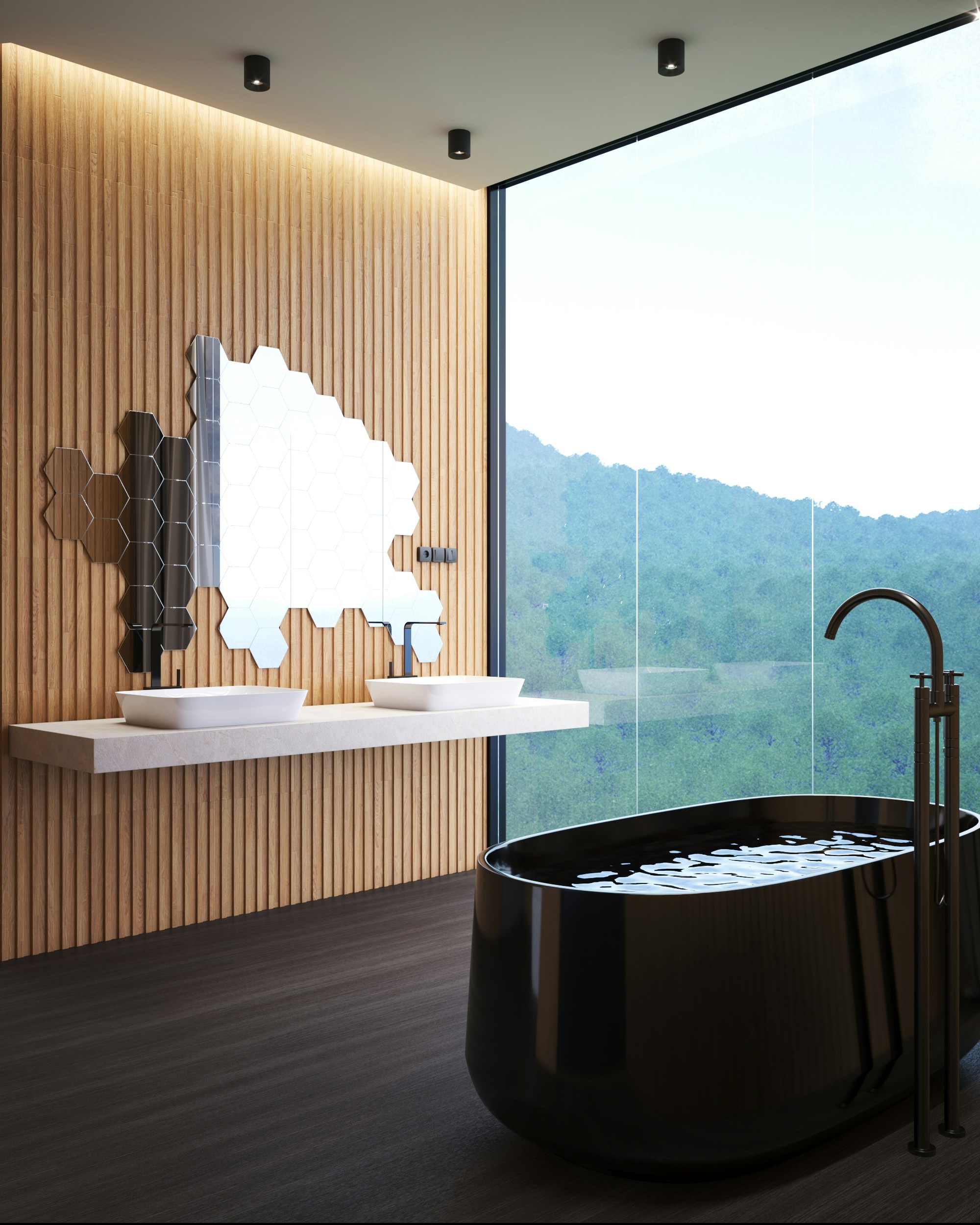
- a feature wall behind the mirror and vanity
- a frame around bathroom storage
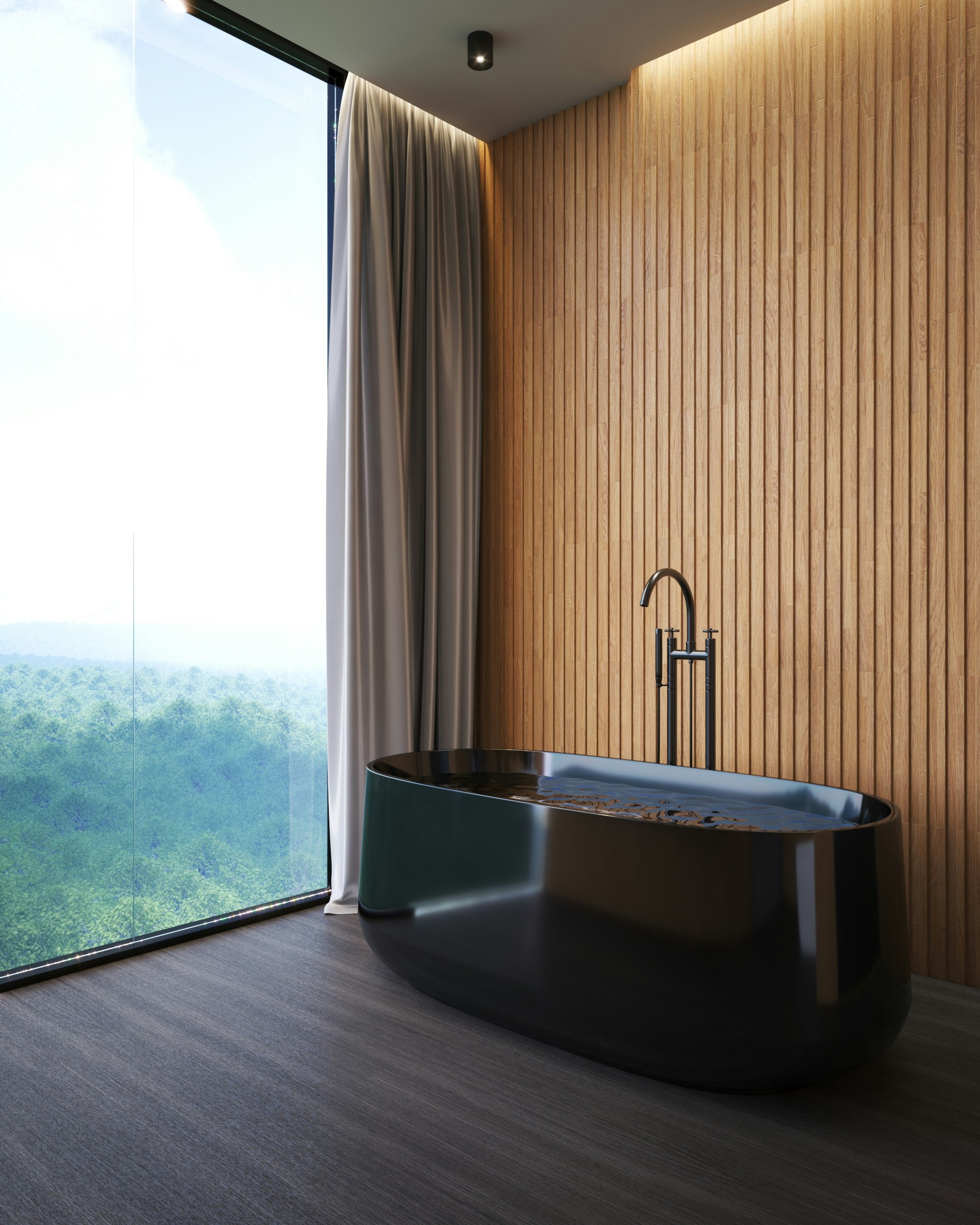
- a decorative area behind a freestanding tub
- a slatted ceiling for a spa-like feel
LED lighting can work especially well here if you want a warmer, softer atmosphere.
Gallery
Conclusion
You can use slat walls in bathrooms as long as you choose suitable materials, avoid direct water exposure, and provide good ventilation. Done properly, the result can be both practical and beautiful.
If you want to estimate how many slats you need, use our slat wall calculator to plan the project more accurately.